- Shingles are curling, cracking, or losing granules across large areas
- You have had multiple leaks or patch jobs in recent years
- The roof looks uneven, sagging, or has widespread staining
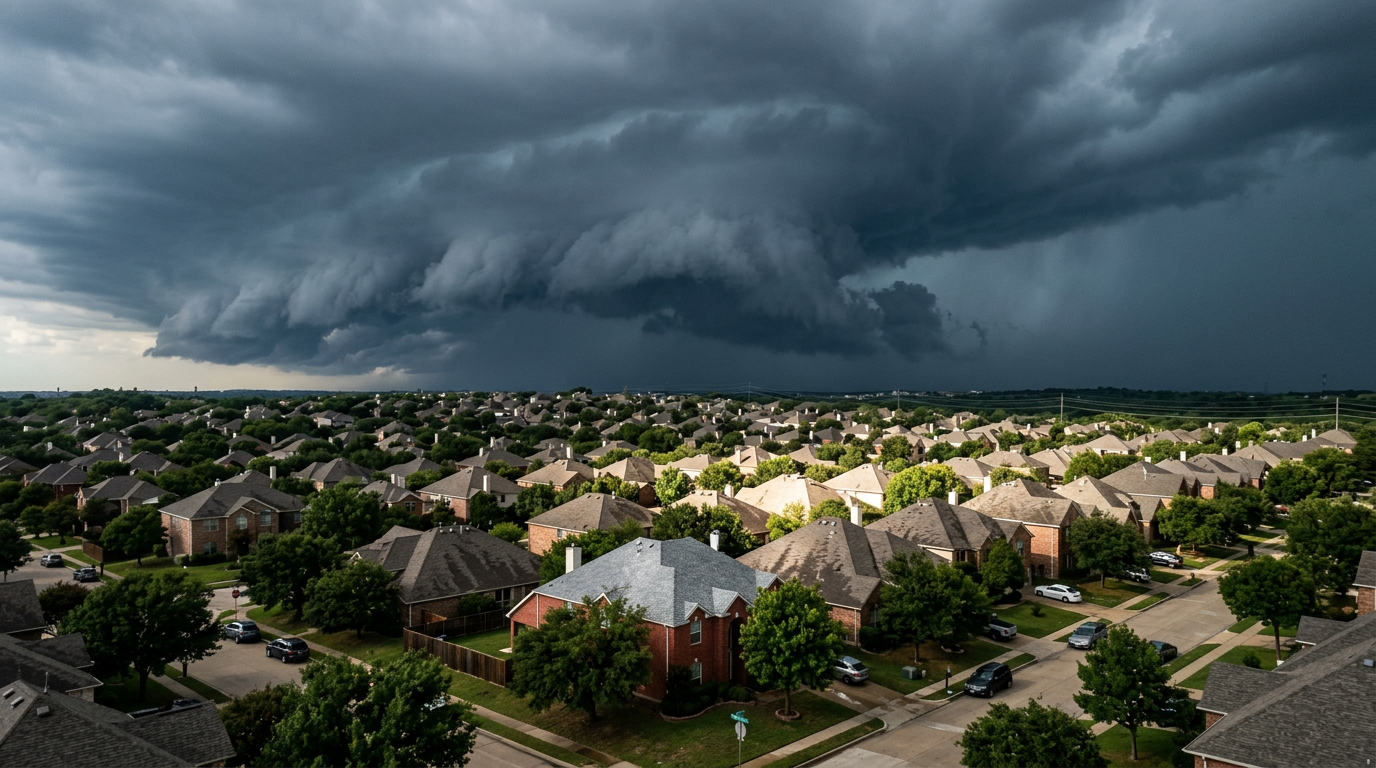
After a windstorm, hailstorm, or heavy rain, many homeowners face the same question: should you repair the roof or replace it? The answer depends on where the damage is, how widespread it is, and how much life your roof has left.
A careful inspection can help you avoid paying for a bigger job than you need, while also reducing the chance of repeated leaks.
→ Call (678) 737-7062 for a free Dallas roofer estimate — answered 24/7, no obligation.
If you are trying to decide between a roof repair and a full replacement, it helps to focus on the roof’s age, the type of damage, and whether the damage is isolated or system-wide.
A qualified roofer can walk you through the options, but it is smart to understand the basics first.
Start with the roof’s age and condition
A roof that is near the end of its expected service life may not be worth patching again and again. Even if the storm only caused visible damage in one area, older roofs often have worn shingles, brittle flashing, or failing underlayment elsewhere.
That can make a repair less effective over time.
On the other hand, a newer roof with damage limited to a small section is often a better candidate for repair. The goal is not just to fix what you can see today.
It is to restore the roof’s ability to shed water and protect the home for the seasons ahead.
Clues that age matters
→ Get (678) 737-7062 on the line and price your job now — answered 24/7, no obligation.
- Shingles are curling, cracking, or losing granules across large areas
- You have had multiple leaks or patch jobs in recent years
- The roof looks uneven, sagging, or has widespread staining
- Flashing around chimneys, skylights, or vents is deteriorating
Look at the type of storm damage
Not all storm damage means the same thing. A few lifted shingles may be fixable, while hail impacts or strong wind uplift can affect many parts of the roof at once. The key is whether the damage is localized or likely to spread.
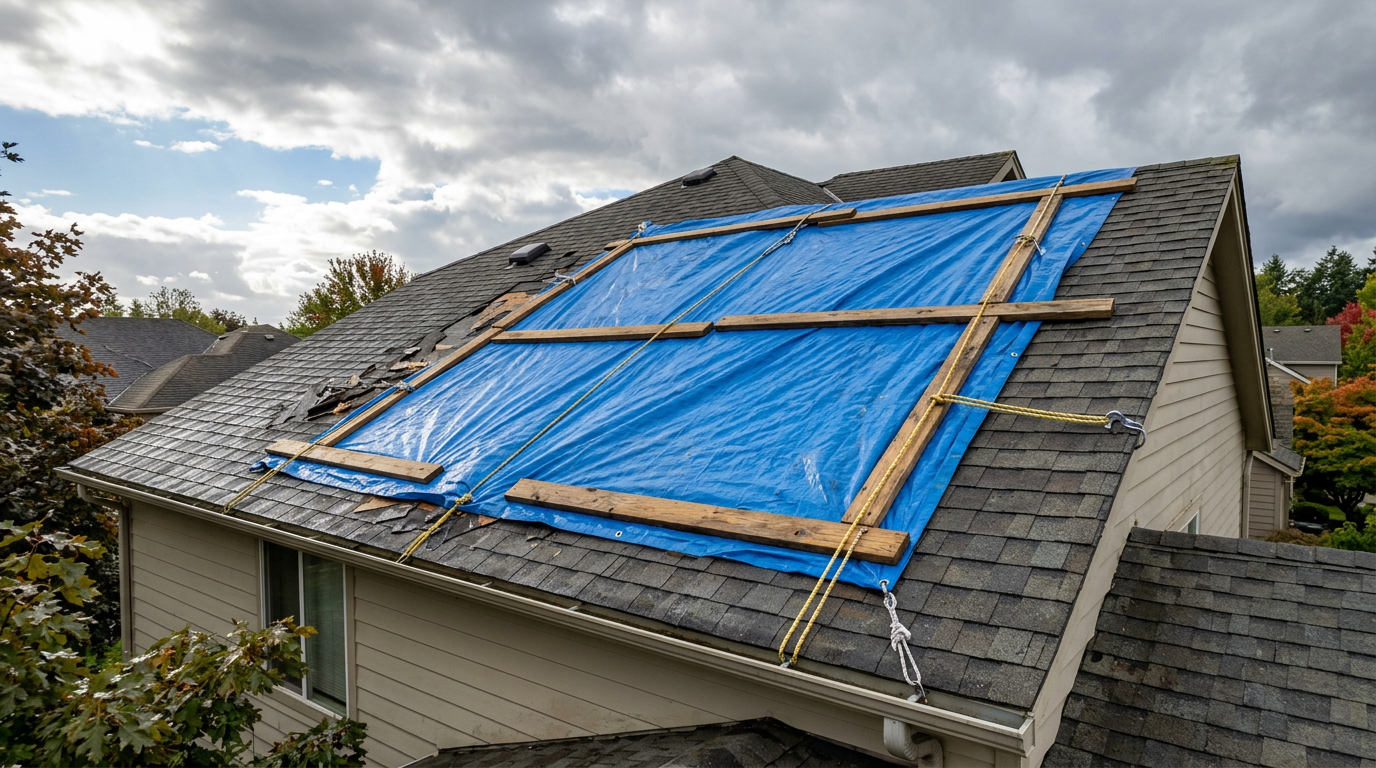
Wind damage often shows up as missing shingles, loosened tabs, or lifted edges that allow water underneath. Hail damage can be harder to spot from the ground, but it may bruise shingles, knock off protective granules, or damage vents and flashing.
Water damage from a long leak can also point to deeper issues, especially if it has reached the decking or attic insulation.
Comments
Post a Comment